How to Choose Surgical Drapes and Gowns
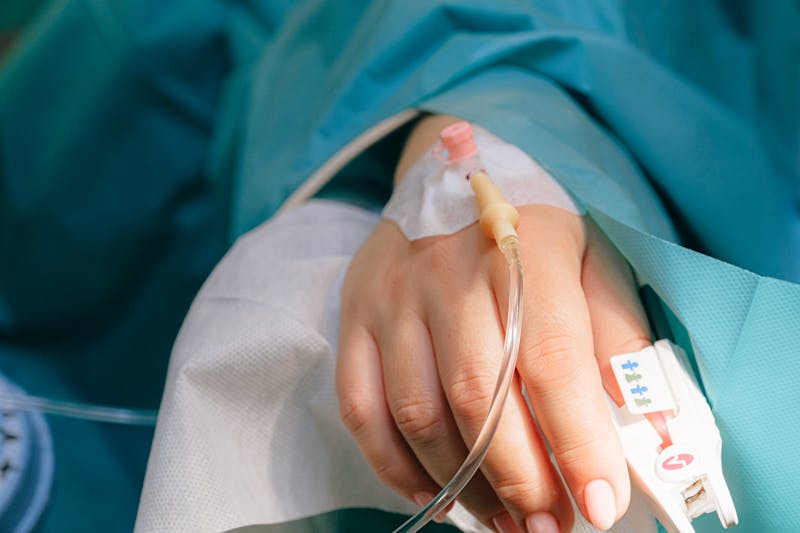
Choosing the correct surgical drape and gown for a procedure is a critical decision involving infection control, surgical efficiency and clinician comfort. Below is a practical buyer's checklist used by procurement teams in tertiary hospitals.
Barrier performance level
AAMI PB70 defines four protection levels. Routine bedside care typically uses Level 1; arthroscopy and orthopedic procedures with high fluid exposure require Level 3 or 4. Always match the level to the worst-case fluid challenge of the procedure.
Fabric construction
SMS (spunbond-meltblown-spunbond) is the most common non-woven for drapes and gowns. SMMS adds a second meltblown layer for enhanced strength. PE-coated reinforcements add fluid-impervious zones in critical areas (chest, sleeves, drape window).
Absorbency vs. impermeability
An absorbent layer wicks fluid away from the surgical site; an impermeable backing prevents strikethrough to the patient. Reinforced drapes combine both.
Sterilization
Most Lantian disposable drapes and gowns are EO (ethylene oxide) sterilized in our in-house sterilization station and validated to ISO 11135. Confirm the labeled sterility assurance level (SAL 10⁻⁶) and the use-by date.
Compliance
EN 13795 specifies performance and biocompatibility for drapes and gowns sold in the EU. CE marking under MDR (EU 2017/745) is mandatory. ISO 13485 certification of the manufacturer ensures consistent quality management.
About the author — Lantian Medical is a Chinese manufacturer of disposable surgical supplies established 2004. More about us · Contact sales.